
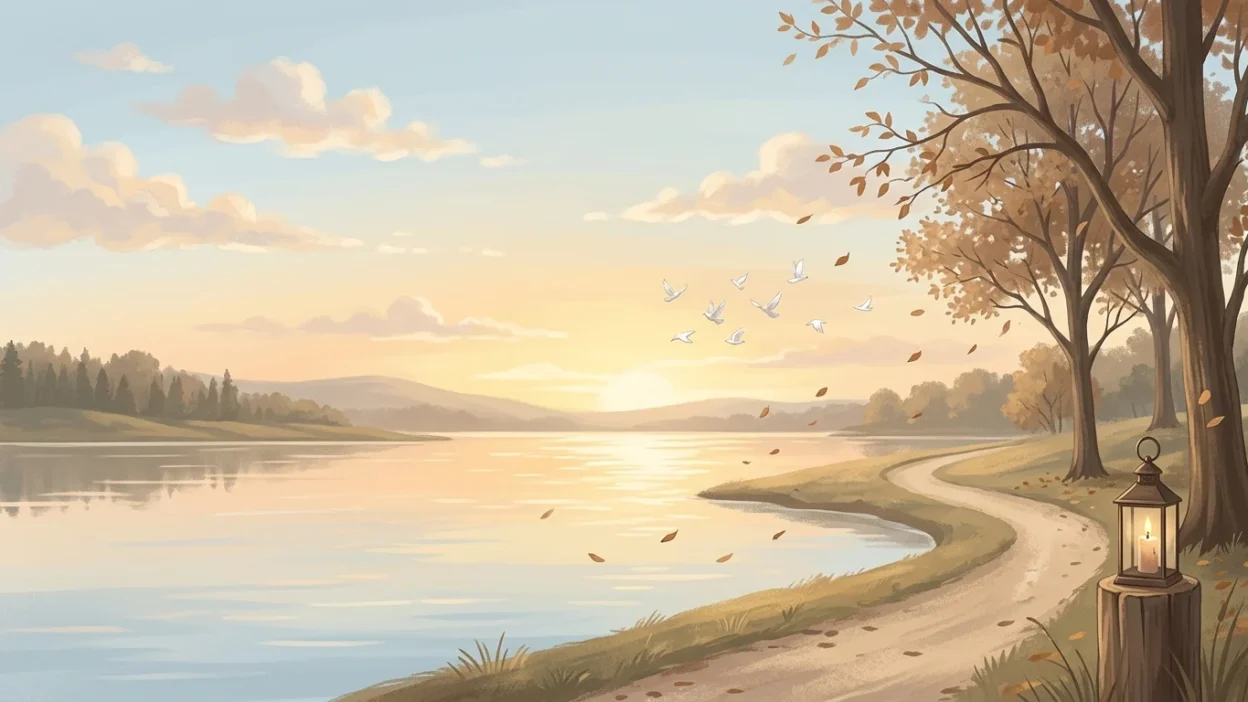
Writing about death can be emotional, thoughtful, or symbolic. Instead of using the word death repeatedly, writers often use similes to describe it in a gentler, more creative or more dramatic way. Similes compare death to another image using like or as, helping readers understand the feeling or moment more vividly.
Whether you’re writing a story, poem, speech or creative essay, these similes for death can make your writing more meaningful. In this guide, you’ll discover 30 original similes with meanings and examples, along with common mistakes, similar expressions, practice questions, FAQs and helpful writing tips.
Quick Answer
Similes for death compare death or dying to another image using like or as. They help writers express themes of loss, peace, endings, or life’s natural cycle with more emotion and creativity.
30 Similes for Death
| Simile | Meaning | Example |
|---|---|---|
| As quiet as a candle going out | A peaceful death | The old man’s passing was as quiet as a candle going out. |
| Like leaves falling in autumn | A natural ending | The soldiers fell like leaves falling in autumn. |
| As still as a frozen lake | Complete stillness after death | The room became as still as a frozen lake. |
| Like the setting sun | The end of life’s journey | Her final days were like the setting sun. |
| As silent as midnight | Deep silence | After the battle, the field was as silent as midnight. |
| Like a flower closing at dusk | A gentle passing | She slipped away like a flower closing at dusk. |
| As peaceful as drifting clouds | A calm farewell | His final breath was as peaceful as drifting clouds. |
| Like a bird flying beyond the horizon | Leaving this world | He departed like a bird flying beyond the horizon. |
| As calm as a sleeping child | A serene death | She looked as calm as a sleeping child. |
| Like snow melting in spring | Quietly fading away | His strength disappeared like snow melting in spring. |
| Simile | Meaning | Example |
|---|---|---|
| As gentle as evening rain | A soft ending | Her passing was as gentle as evening rain. |
| Like the last page of a book | The end of a life story | His death felt like the last page of a book. |
| As soft as a whisper in the wind | Nearly unnoticed | He left this world as soft as a whisper in the wind. |
| Like a wave returning to the sea | Returning to nature | She passed like a wave returning to the sea. |
| As quiet as falling snow | Peaceful silence | The room remained as quiet as falling snow. |
| Like a star fading at dawn | Gradually disappearing | His memory faded like a star fading at dawn. |
| As final as a closed door | An irreversible ending | Death was as final as a closed door. |
| Like an extinguished lantern | Life coming to an end | The village mourned as the old leader went like an extinguished lantern. |
| As gentle as a fading breeze | Slowly passing away | She slipped away as gentle as a fading breeze. |
| Like mist disappearing in sunlight | Quiet disappearance | His pain vanished like mist disappearing in sunlight. |
| Simile | Meaning | Example |
|---|---|---|
| As still as an empty chapel | Deep silence | The house became as still as an empty chapel. |
| Like a river reaching the sea | Completing life’s journey | His life ended like a river reaching the sea. |
| As quiet as the night sky | Peace after death | The cemetery rested as quiet as the night sky. |
| Like a candle in the wind | A fragile life ending | His final moments were like a candle in the wind. |
| As peaceful as a sleeping forest | Calm and restful | She appeared as peaceful as a sleeping forest. |
| Like a dream fading at sunrise | Gradually ending | His memories slipped away like a dream fading at sunrise. |
| As silent as forgotten ruins | Lifeless silence | The battlefield stood as silent as forgotten ruins. |
| Like an autumn leaf touching the ground | A natural end | His final breath came like an autumn leaf touching the ground. |
| As gentle as twilight | A quiet farewell | Her passing was as gentle as twilight. |
| Like the tide slipping back to sea | A calm departure | He left this world like the tide slipping back to sea. |
Common Mistakes
- Using overly harsh or graphic comparisons when a gentle tone is more appropriate.
- Confusing similes with metaphors.
- Forgetting to use like or as.
- Overusing dramatic similes in every paragraph.
- Choosing comparisons that don’t fit the mood of the writing.
- Using insensitive language when writing about real people or recent loss.
Similar Expressions
- Passed away
- Crossed over
- Took a final breath
- Left this world
- Met their end
- Rested in peace
- Breathed their last
- Reached the end of the journey
Practice Questions
1. What is a simile?
Answer: A comparison using like or as.
2. Complete the simile: Like a ________ going out.
Answer: Candle.
3. Which simile suggests a peaceful death?
Answer: As quiet as a candle going out.
4. Is “Death is a thief” a simile?
Answer: No. It is a metaphor.
5. Write a sentence using “like the setting sun.”
Answer: The hero’s final moments were like the setting sun.
6. Why do writers use similes for death?
Answer: To express emotion with gentle and vivid comparisons.
7. Which words usually introduce a simile?
Answer: Like and as.
8. Name one similar expression for death.
Answer: Passed away.
9. True or False: Similes make writing more descriptive.
Answer: True.
10. Can similes help soften difficult topics?
Answer: Yes. They can make emotional subjects easier to express thoughtfully.
FAQs
What is a simile for death?
A simile for death compares death to another image using like or as to create a meaningful description.
Why do writers use similes for death?
They help express emotions, endings, and loss in a thoughtful and creative way.
Are similes for death appropriate in poetry?
Yes. They are widely used in poetry, stories, and reflective writing.
What’s the difference between a simile and a metaphor?
A simile uses like or as, while a metaphor makes a direct comparison.
Can I create my own similes?
Yes. Original similes make your writing more personal and creative.
Should I use respectful language when writing about death?
Yes. Thoughtful and sensitive language is always appropriate, especially when discussing real people or personal loss.
Conclusion
Using similes for death allows writers to express one of life’s most difficult subjects with care, creativity and emotion. Whether you’re describing a peaceful farewell, the end of a journey or the natural cycle of life, these comparisons help readers connect with your words on a deeper level. Choose similes that match the tone of your writing, use them naturally, and remember that simple, respectful language often has the greatest impact.